May 28, 2026
The afternoon chime of the school bell signifies the conclusion of the academic day for students, yet for many working households, it marks the beginning of a logistical puzzle. As the sun begins its slow descent, the gap between the end of classes and the conclusion of the traditional professional workday creates a period of uncertainty. This interval often forces parents into a frantic dash, juggling conference calls with carpool duties, or worrying about the quality of supervision their children receive during those unsupervised hours. The concept of family balance remains elusive when the schedules of adults and children are fundamentally misaligned. However, the emergence of structured support systems has transformed this daily challenge into an opportunity for growth and stability. By bridging the temporal divide, families can find a sense of peace that resonates throughout the entire home.
The transition from a high-pressure work environment to a nurturing home life requires a buffer, a space where children are not merely waiting but are actively engaged in meaningful pursuits. When a child is placed in a secure environment after their primary lessons conclude, the benefits extend far beyond simple supervision. It creates a ripple effect of wellness that touches every member of the domestic unit. Parents can finish their responsibilities with focus, knowing their little ones are in a setting that prioritizes both safety and enrichment. This stability is the cornerstone of a healthy family dynamic, allowing for more intentional interactions once the evening finally brings everyone back together under one roof. In this context, the value of professional support cannot be overstated, as it serves as the glue holding together the complex architecture of modern life.
Secures Consistent Professional Productivity
Maintaining a career while raising a family requires a delicate equilibrium that is frequently threatened by the mid-afternoon transition. For many professionals, the period following the final school bell is often the most productive time of the day, yet it is also the time when domestic demands peak. By utilizing after school care, parents are granted the mental clarity required to complete their tasks without the constant distraction of logistics. This continuity allows for a higher level of performance and reduces the stress associated with unfinished business bleeding into the dinner hour. When the professional sphere is handled with diligence during daylight hours, the evening remains sacred for family connection.
Furthermore, the assurance of a reliable schedule eliminates the guilt often felt by parents who must work late or manage unexpected deadlines. Instead of viewing their professional commitments as a barrier to their children’s well-being, they can see them as a supported part of a larger plan. The structure provided by these programs ensures that the child is not just occupied, but is also thriving in a social and educational capacity. According to IBISWorld, nearly 30 million school-aged children have parents seeking local after-school care. This significant demand highlights a collective recognition that external support is a vital component of the modern economic and social fabric. It underscores the reality that successful parenting and professional achievement are not mutually exclusive when the right systems are in place.
Nurtures Essential Social Competencies
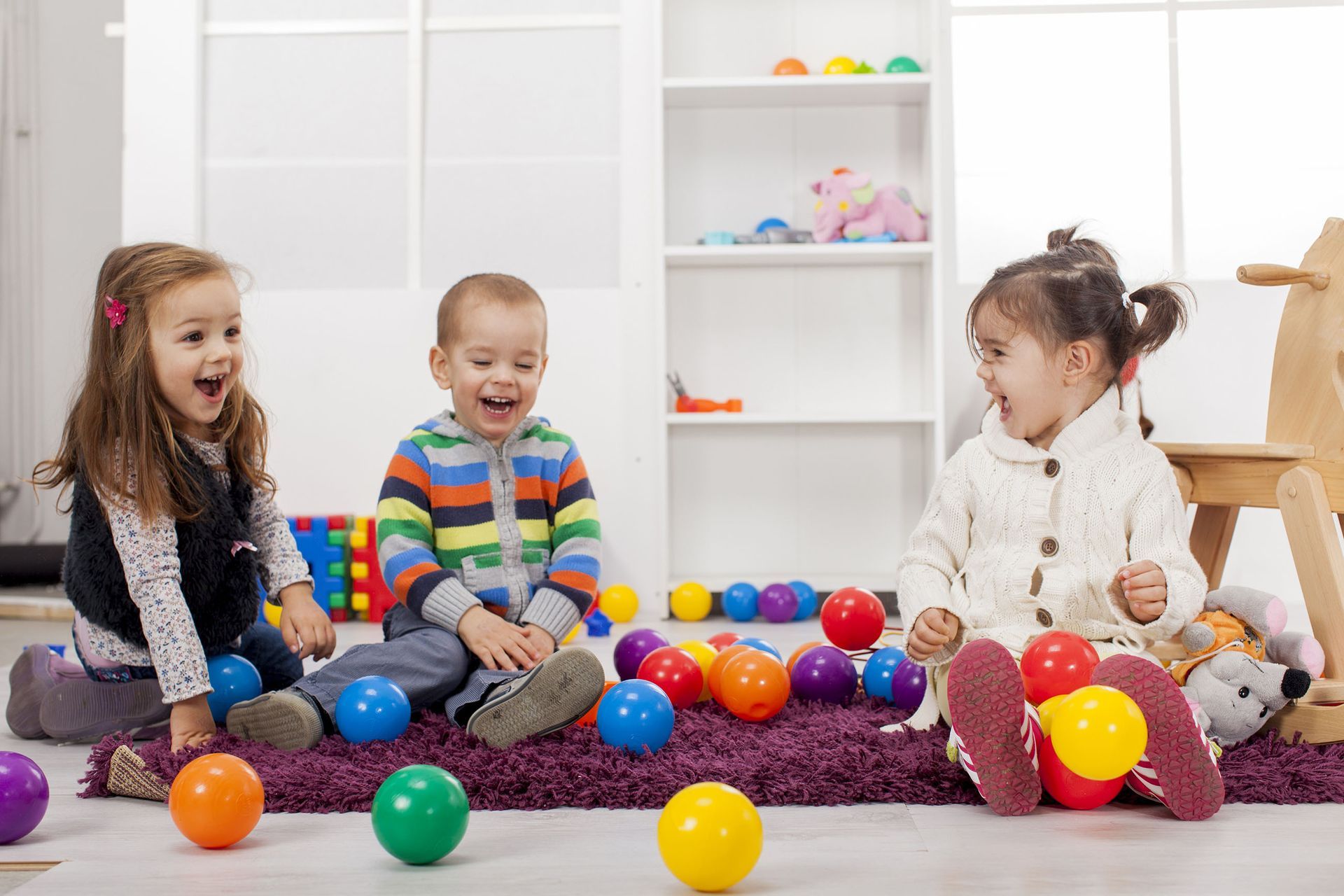
Beyond the logistical advantages for adults, the time spent in a communal setting after class offers children a unique laboratory for social development. Unlike the rigid structure of a formal classroom where silence and focused study are prioritized, after school care provides a more fluid environment for interaction. Children from various age groups and backgrounds come together, learning the nuances of cooperation, conflict resolution, and empathy. These peer interactions are fundamental in building the soft skills that will serve them throughout their lives. In these settings, friendships are forged through shared activities and collaborative play, creating a sense of belonging that bolsters self-esteem.
The presence of trained facilitators further enhances this social growth. These mentors guide children through the complexities of group dynamics, teaching them how to communicate effectively and respect the boundaries of others. This guided socialization prevents the isolation that can occur when a child returns to an empty house. Instead of retreating into digital screens, they are encouraged to engage in dialogue and physical activity. This vibrant social atmosphere ensures that the end of the school day is not the end of learning, but rather the beginning of a different kind of education—one focused on the heart and the community.
Cultivates Diverse Personal Interests
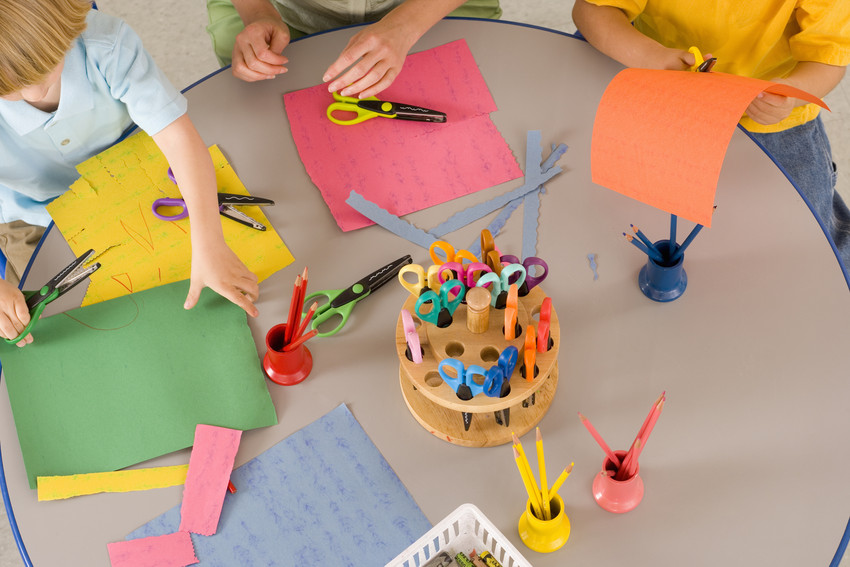
The standard academic curriculum, while comprehensive, often leaves little room for the deep exploration of niche hobbies or creative passions. Programs dedicated to after school care serve as a bridge to these undiscovered talents. Whether it is through art, music, athletics, or strategic games, children are given the freedom to experiment in a low-pressure environment. This exploration is crucial during formative years, as it helps individuals identify their strengths and interests outside of traditional grading systems. When a child discovers a passion for a particular craft or sport, it provides them with a sense of purpose and a healthy outlet for their energy.
This enrichment also takes the pressure off parents to be the sole providers of extracurricular stimulation. Often, the weekend becomes a marathon of lessons and practices, leaving little time for actual rest. By integrating these activities into the post-school hours, the weekends can be reclaimed for family bonding and relaxation. The diversity of experiences offered in a structured afternoon program ensures that a child’s curiosity is constantly piqued.
Strengthens Emotional Family Bonds
One of the most profound impacts of high-quality supervision is the improvement in the quality of time spent together as a family. When parents arrive home after a productive day, and children return home after an afternoon of socialization and growth, the atmosphere is one of shared satisfaction rather than exhausted tension. The typical "arsenic hour"—that period of evening chaos involving homework stress and meal preparation—is significantly mitigated. Because many after school care programs offer dedicated time for homework completion, the burden of academic oversight is lifted from the parent’s shoulders. This allows the evening to be focused on conversation and connection rather than academic disputes.
Eases Daily Transitional Stress
The psychological weight of managing the transition from school to home can be heavy for both parents and children. For the child, a structured environment provides a soft landing after the rigors of the classroom. It offers a space to decompress and transition into a more relaxed state of mind. For the parent, the knowledge that their child is in a safe and stimulating environment removes the frantic energy of the afternoon rush. This reduction in stress is perhaps the most immediate and tangible benefit of after school care. It changes the narrative of the day from one of survival to one of thriving.
The journey toward family balance is a continuous process of adjustment and support. It requires a village of educators, mentors, and caregivers to ensure that the next generation is raised in an environment of safety and opportunity. By embracing the structured support of afternoon programs, families can navigate the complexities of modern life with confidence. The school bell should be a signal of transition, not a source of stress. With the right care in place, every afternoon can be a step toward a more balanced and fulfilling life for the entire family unit. We understand that your child’s growth doesn't end when the classroom doors close, and at Bonanza Preschool & Kindergarten, we are dedicated to providing that vital bridge of care and enrichment that your family deserves.