January 30, 2026
The early years of a child’s life are a period of rapid growth and discovery that sets the foundation for all future learning. During this critical window, the brain is highly receptive to new information, social cues, and environmental stimuli. Selecting the right environment for this development is one of the most significant decisions a parent can make. High-quality preschools provide more than just a safe place for children to spend their day; they offer a structured yet playful setting where young learners can explore their interests and develop essential life skills. By focusing on the whole child, these programs ensure that students are prepared for the academic and social challenges of elementary school and beyond.
Fostering Social and Emotional Intelligence
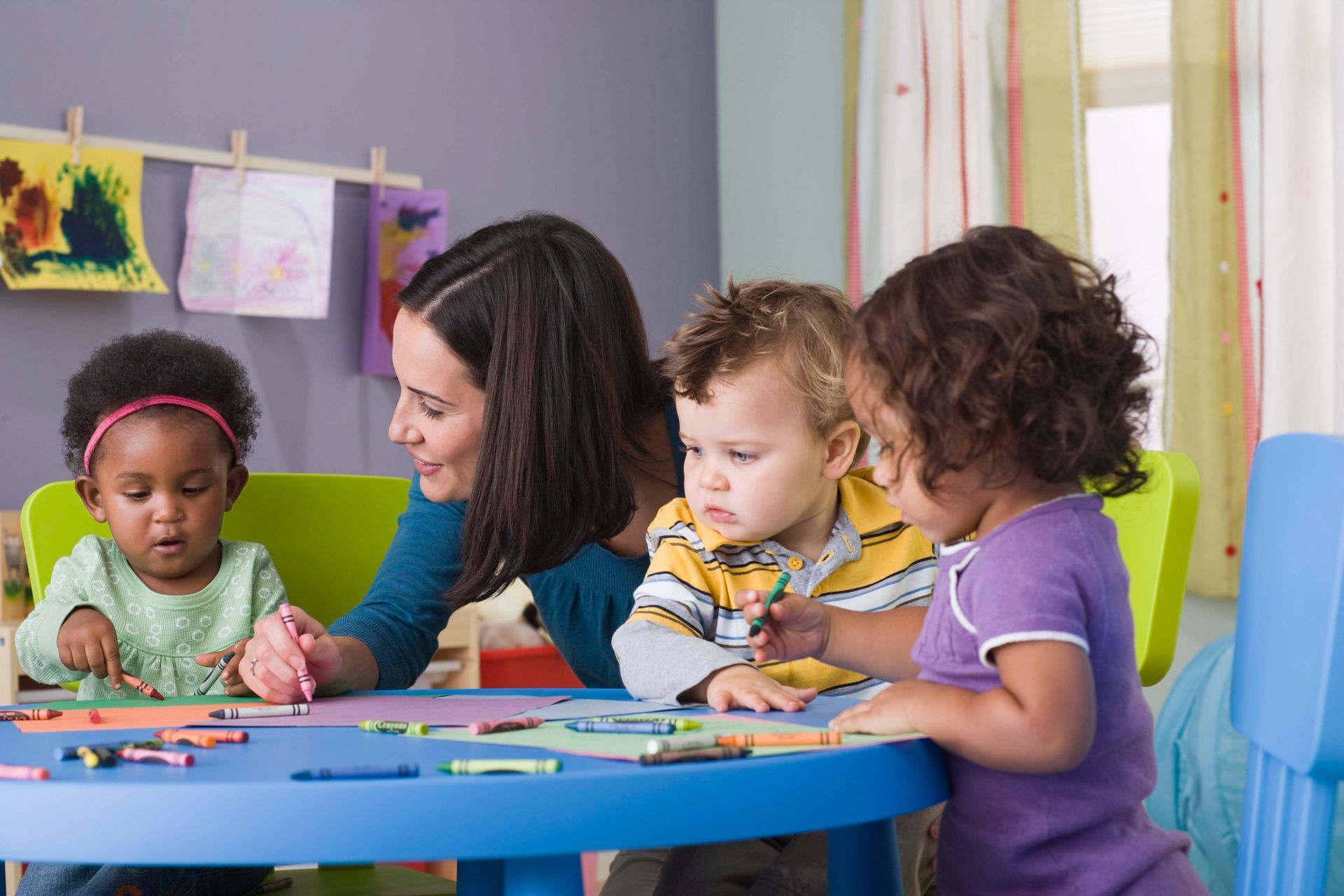
One of the primary advantages of early childhood education is the opportunity for children to interact with a diverse group of peers. In the home environment, children are often the center of attention, but in a classroom setting, they must learn to navigate the complexities of social dynamics. Teachers at leading preschools guide children through the process of sharing, taking turns, and resolving conflicts peacefully. These daily interactions help children build empathy and self-regulation, which are vital for long-term emotional health. When children learn how to express their feelings and understand the perspectives of others at a young age, they enter the later stages of childhood with a strong sense of confidence and social competence.
Building Foundations for Academic Excellence
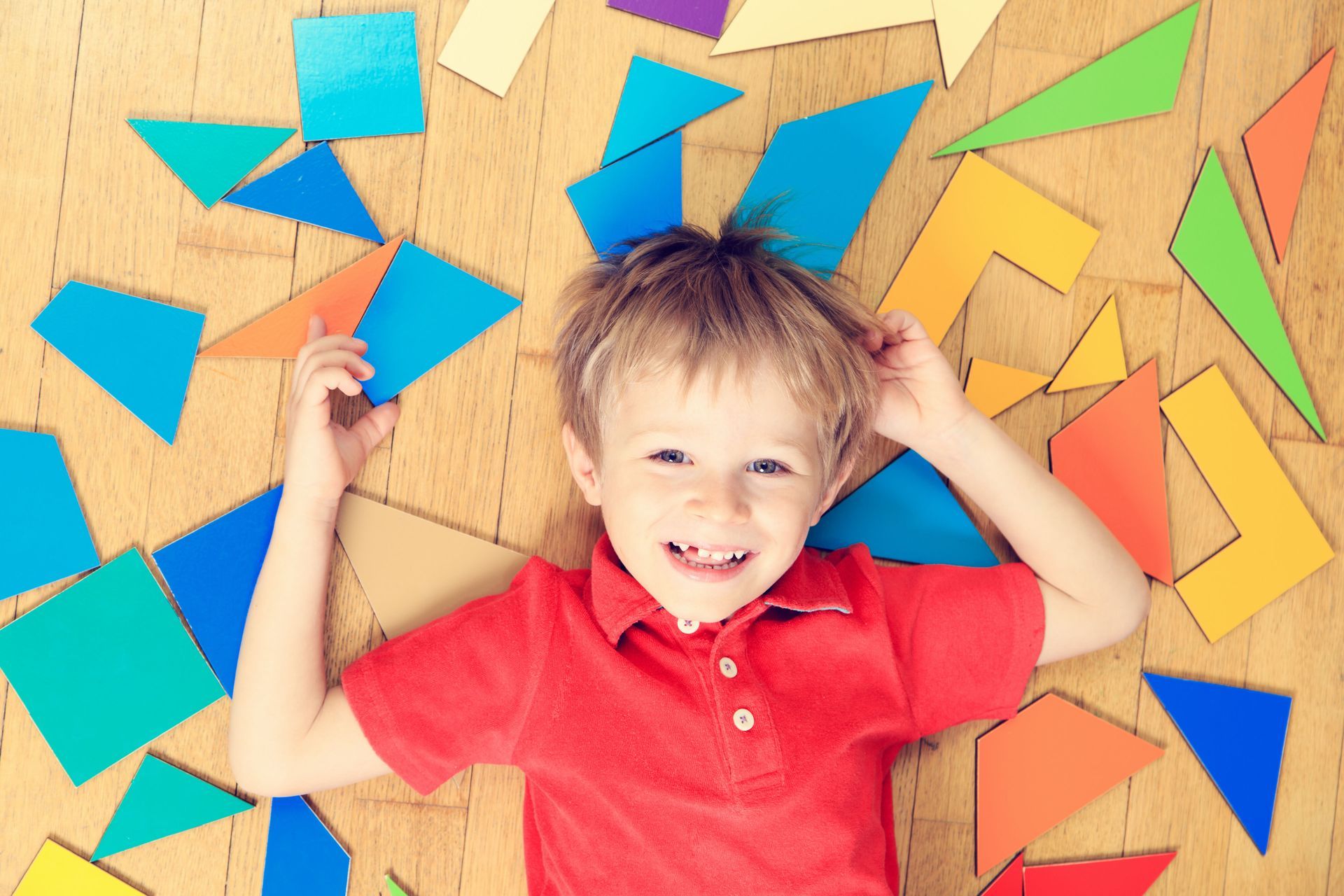
While the curriculum in an early childhood setting may look like simple play, every activity is designed with specific learning objectives in mind. Sorting blocks by color and size introduces the basics of mathematical reasoning, while storytime and singing foster language development and phonemic awareness. Professional preschools create an environment where curiosity is encouraged and intellectual risks are celebrated. This early exposure to literacy and numeracy concepts helps close the achievement gap and ensures that children are not overwhelmed when they transition to a formal kindergarten curriculum. By making learning fun and engaging, educators instill a lifelong love of inquiry and academic pursuit in their students.
Encouraging Cognitive Growth through Play
Play is the natural language of childhood, and it is through play that the most profound cognitive development occurs. Whether building complex structures with wooden blocks or engaging in imaginative role-play, children are constantly testing hypotheses and solving problems. Educators at preschools carefully curate play centers to challenge a child’s critical thinking and creativity. These activities require children to plan, execute, and adapt their ideas, which strengthens the executive function of the brain. This type of self-directed exploration allows children to develop autonomy and persistence, traits that are highly correlated with success in higher education and professional life later on.
Enhancing Physical Development and Coordination
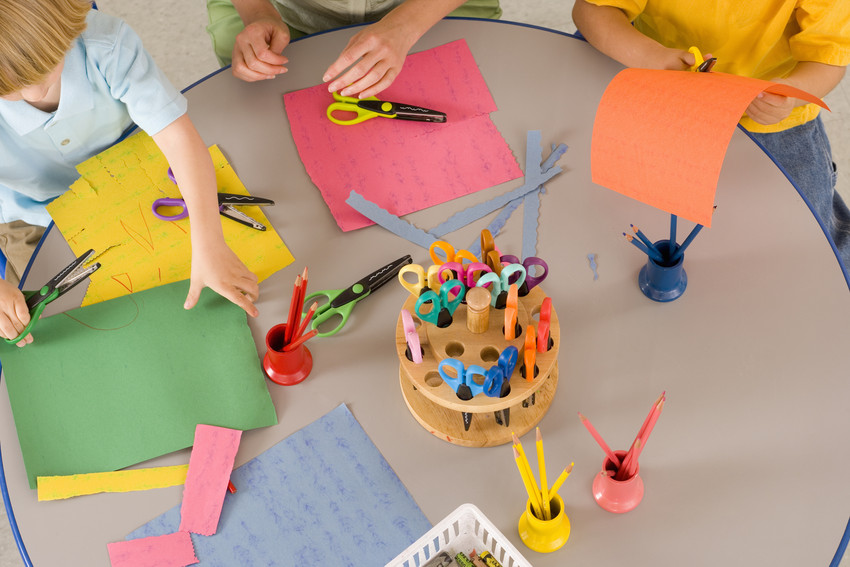
Physical activity is a core component of early childhood programs, focusing on both gross and fine motor skills. Outdoor playtime allows children to run, climb, and jump, which strengthens their muscles and improves cardiovascular health. Inside the classroom, activities like cutting with safety scissors, stringing beads, and drawing with crayons refine the small muscle movements in the hands and fingers. These fine motor skills are essential for learning how to write and perform daily tasks independently. By providing a safe space for physical exploration, preschools ensure that children develop the bodily awareness and coordination necessary for a healthy and active lifestyle.
Preparing Students for Long-Term Success
The benefits of early childhood education extend far into adulthood, influencing career paths and personal achievement. Research consistently shows that children who attend high-quality early childhood programs are more likely to pursue advanced education and secure stable employment. The habits of discipline and curiosity formed in these early years serve as a permanent internal toolkit for navigating the world. According to NPR, 54% of the preschoolers ended up going to college after they graduated, eight percentage points higher than their counterparts who didn't go to preschool. This statistic highlights the lasting impact that a supportive early learning environment can have on a child’s future trajectory.
Promoting Independence and Self-Reliance
For many children, attending a local program is their first experience being away from their primary caregivers for an extended period. This transition is a major milestone in developing a sense of self and independence. In a classroom setting, children are encouraged to manage their own belongings, clean up after activities, and follow a daily routine. Teachers at preschools provide the scaffolding necessary for children to take on these responsibilities successfully. As children realize they are capable of handling tasks on their own, their self-esteem grows. This burgeoning independence is a critical component of a child's identity, allowing them to approach new situations with a sense of capability and resilience.
Nurturing Creativity and Artistic Expression
Creative expression is highly valued in early learning environments because it allows children to process their experiences and communicate in non-verbal ways. Through painting, music, and dance, children explore different mediums of self-expression and learn to appreciate the beauty in the world around them. High-quality schools provide a wide range of materials and opportunities for children to create without the fear of being "wrong." This freedom to innovate fosters a creative mindset that is beneficial in every field of study. By celebrating a child’s unique artistic voice, educators help them develop a strong sense of individuality and the confidence to share their ideas with others.
Developing Communication and Language Skills
The years between ages three and five are a period of explosive language growth. Being surrounded by teachers and peers provides a language-rich environment where children are constantly hearing new vocabulary and sentence structures. Through group discussions, show-and-tell, and collaborative projects, children practice the art of conversation and learn how to articulate their thoughts clearly. Effective schools emphasize the importance of both listening and speaking, helping children become effective communicators. These skills are the bedrock of literacy, as a strong oral language foundation makes it significantly easier for children to learn how to read and write in the coming years.
Establishing Healthy Routines and Habits
A consistent daily schedule provides young children with a sense of security and helps them understand the concept of time and sequence. Knowing what to expect each day reduces anxiety and allows children to focus on learning and social interaction. Preschools implement routines that include healthy meals, regular handwashing, and quiet rest periods, teaching children the importance of self-care. These healthy habits often carry over into the home, making daily transitions easier for the entire family. By establishing a balanced rhythm of activity and rest, early childhood programs support a child's physical well-being and help them develop the stamina needed for a full day of school.
Supporting the Transition to Kindergarten
The leap from early childhood to the primary grades can be daunting for both children and parents. A high-quality early program acts as a bridge, familiarizing children with the expectations of a classroom environment. Children learn how to follow directions, work in small groups, and respect the authority of a teacher. When the time comes to enter a larger school system, these children are already comfortable with the "student" role, which allows them to focus on the new academic material. By providing a gentle introduction to formal schooling, preschools ensure that the transition is a positive and exciting experience that sets the stage for many years of successful education.
Investing in early childhood education is one of the most effective ways to support a child’s development and ensure they have the tools needed for a bright future. From social skills to academic readiness, the lessons learned in a classroom setting provide a strong foundation for every aspect of life. By choosing a program that prioritizes the needs of the individual child, you are giving them the gift of a confident and curious start to their educational journey. If you are looking for an environment where your child can thrive and grow, Bonanza Preschool & Kindergarten is dedicated to providing exceptional care and instruction. Call Bonanza Preschool & Kindergarten today to learn more about our programs and how we can support your child’s early years.