January 9, 2026
Early childhood education plays a pivotal role in shaping the foundational years of a child's life. Preschool programs offer a structured environment that facilitates a child's holistic development, encompassing social, cognitive, emotional, and physical dimensions. Beyond mere academic readiness, enrolling a child in a preschool program equips them with life skills that are essential for navigating future challenges. The multitude of benefits associated with preschool education underscores its importance, especially in a rapidly evolving world where adaptability, creativity, and emotional intelligence are crucial. Understanding these advantages is vital for parents deliberating their child's early educational pathways, as they can significantly influence future personal and academic trajectories.
1. Social Development and Collaboration Skills
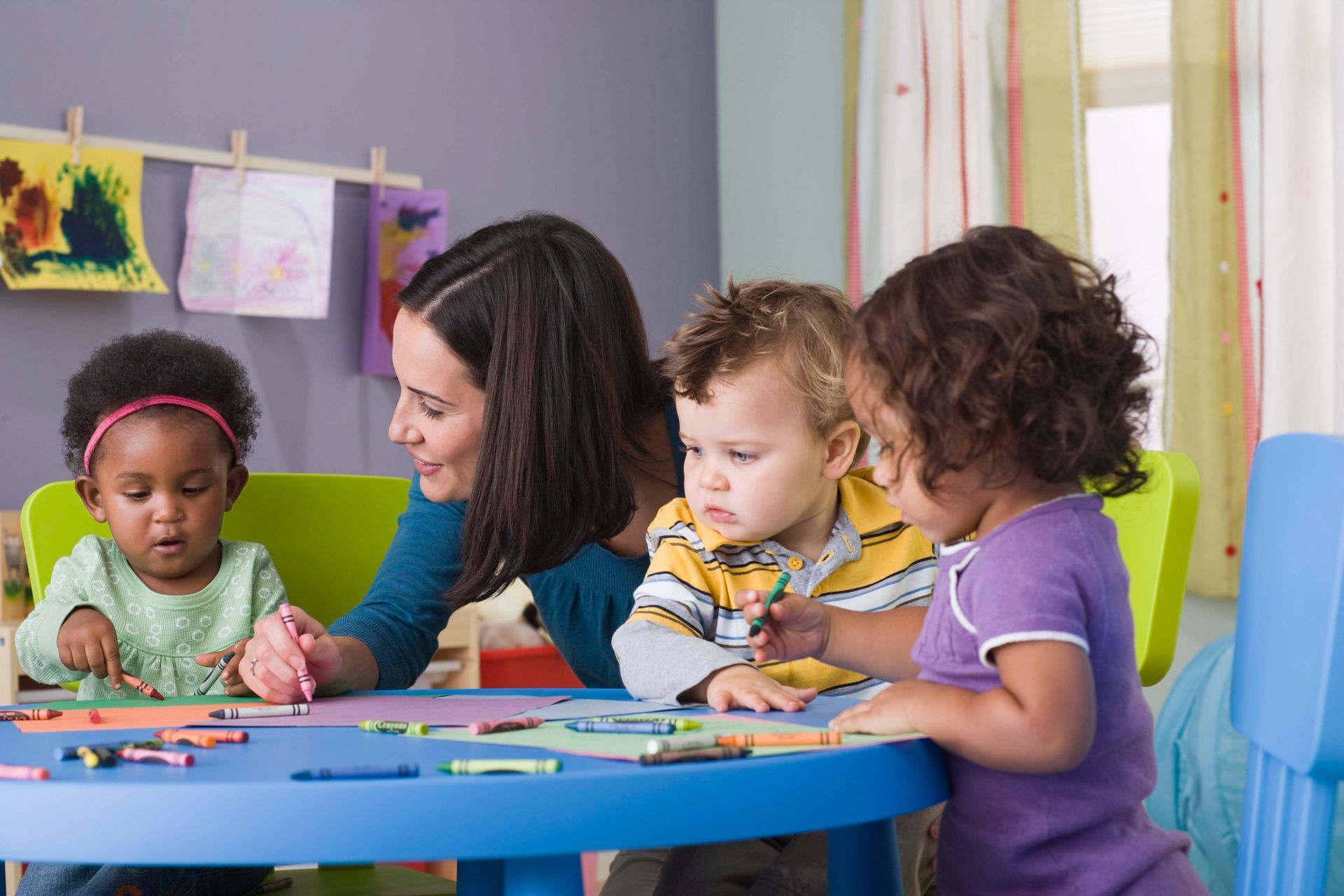
In preschool, children have the opportunity to interact with peers, which is essential for developing early social skills. Through play and guided activities, they learn the nuances of communication, understanding how to convey their thoughts and feelings effectively. This interaction lays the groundwork for collaboration, a vital skill that transcends social settings and is applicable in every stage of life. By mingling with children from diverse backgrounds, youngsters also gain insights into different perspectives, fostering an inclusive mindset from a tender age. Such early socialization prepares them for larger school environments, where making new friends and working in teams become everyday occurrences.
The structured environment of preschool programs encourages collaboration even further by involving children in group tasks. Through activities like building blocks or group storytelling, children learn how to work towards a common goal, understanding the importance of each member's contribution. This not only enhances their ability to work collaboratively but also promotes self-awareness regarding one's own strengths and limitations. Cooperation in these early settings often involves simple acts of sharing toys or taking turns, which are crucial in inculcating patience and understanding. Over time, these skills translate into enhanced capabilities for teamwork in both academic and professional contexts.
Building friendships at this stage in life provides children with a sense of belonging and security. It's through these early relationships that many children experience their first instances of empathy, understanding the joys and sorrows of their peers. Recognizing and interpreting social cues becomes second nature as they navigate these friendships, building an emotional toolkit for future interactions. Such relationships also play a pivotal role in enhancing their emotional regulation, as they learn to handle disagreements and reconcile differences. By managing these early social dynamics, children become adept at forming meaningful relationships throughout their lives.
2. Cognitive Development and Learning Foundation
Preschool programs are designed to spur curiosity and motivate children to explore the world around them. Through a variety of hands-on activities and problem-solving tasks, young minds are encouraged to ask questions and seek answers. This inquisitive mindset is crucial for cognitive development, laying the foundation for an ever-curious and adaptive brain. Exposure to diverse materials and concepts in preschool broadens a child's horizons, nurturing an appreciation for learning that can accompany them throughout life. Such an education prepares students to tackle academic challenges with enthusiasm and creativity.
Introducing basic numeracy and literacy is another cornerstone of preschool education. Using playful methods like storytelling, singing, or counting games, children gradually familiarize themselves with numbers and letters. This early exposure not only supports smoother transitions into kindergarten but also establishes foundational knowledge crucial for academic success. The playful, engaging approach ensures that learning is seen as an enjoyable activity rather than a chore. As children recognize patterns, differentiate sounds, or solve simple problems, they nurture cognitive skills that bolster brain development and adaptability.
Engaging in critical thinking activities is an essential component of the curriculum of preschool programs. Tasks that require evaluation, comparison, and prediction help children cultivate a mindset geared towards analysis and problem-solving. These exercises serve as mental gymnastics, enhancing memory, attention span, and logical reasoning abilities. As they figure out puzzles or deduce outcomes from a sequence of events, children develop skills that are fundamental for future complex academic and life challenges. This cognitive resilience becomes an asset as they transition into formal schooling, where these skills are further refined and expanded.
3. Emotional Development and Independence
One of the significant roles that preschool programs play is in fostering confidence and self-esteem among children. Through a supportive and nurturing environment, children are encouraged to try new activities and take on challenges, contributing to a positive self-image. Teachers play a vital role in this development by offering praise and reinforcement, helping children understand their worth and capabilities. Such confidence becomes foundational for handling setbacks, enabling children to approach future tasks with a sense of assurance. Emotional security established in preschool thus becomes a cornerstone for personal growth and resilience.
Practicing self-help skills is another critical aspect of emotional development encouraged in preschool programs. Simple tasks like dressing independently, organizing their belongings, or managing personal hygiene foster a sense of autonomy. These skills not only promote independence but also instill a sense of responsibility, preparing them for greater responsibilities in the years to come. As children become proficient in these areas, they gain confidence in their abilities, reinforcing self-esteem and independence. This foundation supports personal autonomy, making children more equipped to engage with the world around them.
Understanding and expressing feelings is a crucial part of emotional development, and preschool environments provide a backdrop where such skills can be nurtured. Children learn to identify and articulate their emotions, understand the relevance of multiple feelings, and recognize them in others, building empathy. Activities focused around stories, role-plays, and art encourage children to express their feelings and manage them effectively. As they navigate emotions like joy, frustration, or disappointment, they develop strategies to cope and communicate, skills that will serve them well in future interactions. Cultivating emotional intelligence at this age is invaluable, influencing social and personal relationships throughout life.
4. Physical Development and Health
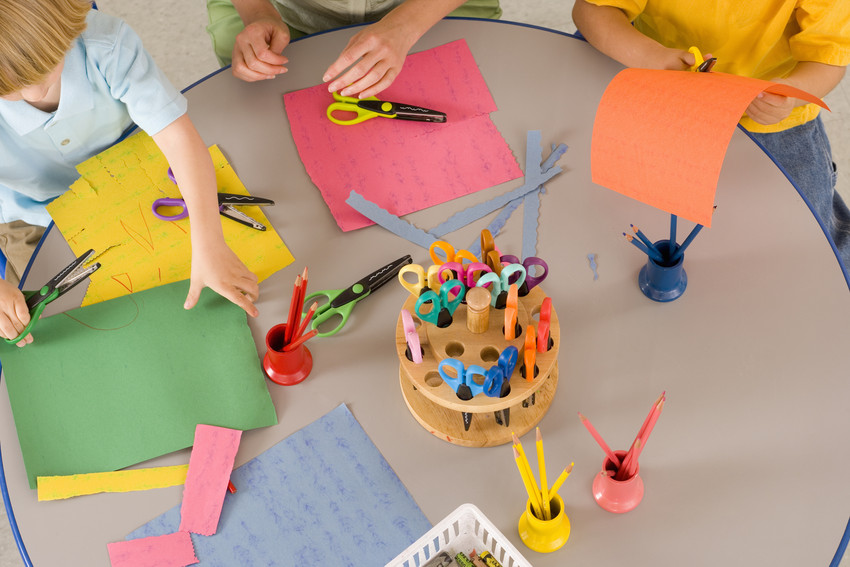
Preschool programs emphasize the enhancement of both fine and gross motor skills through structured and play-based activities. Activities like cutting, drawing, or assembling puzzles help refine fine motor skills, critical for tasks such as writing and manipulating small objects. Outdoor play, involving running, jumping, or playing with balls, bolsters gross motor skills, enhancing coordination, balance, and agility. This dual focus ensures that children develop the physical competencies necessary for both academic and recreational activities. By fostering physical development in a supportive environment, preschools lay the groundwork for lifelong fitness and coordination.
According to WifiTalents, the average annual cost of center-based infant care is around $11,896 (or $13,128 in some 2024 estimates), representing a significant portion of family income. While this investment may seem substantial, the long-term advantages of early education often justify these expenses. Bridging developmental gaps early ensures children gain a substantial head start, fundamentally altering their academic trajectory. This early intervention facilitates higher academic achievements in later years, establishing a foundation for broader career opportunities in the future. By investing in preschool education, parents are investing in a future where children possess both the knowledge and the critical skills needed for personal and professional success.
The comprehensive benefits of enrolling children in preschool programs are profound, extending far beyond early academic learning. These programs offer a balanced approach that nurtures a child's social, cognitive, emotional, and physical development. By fostering essential life skills such as empathy, problem-solving, and self-regulation, preschools lay the groundwork for lifelong personal growth. Furthermore, parental involvement and community building enhance the educational experience, offering support and resources for optimizing each child's potential. In the grand scheme of a child's lifelong journey, preschool education is a valuable investment in their future, setting them up for sustained success across various life domains. If you're looking for preschool programs to enroll your child into, contact Bonanza Preschool & Kindergarten today.